

Applying for credit leaves a mark, but that mark fades faster than most people assume. The timeline matters more than the fear.
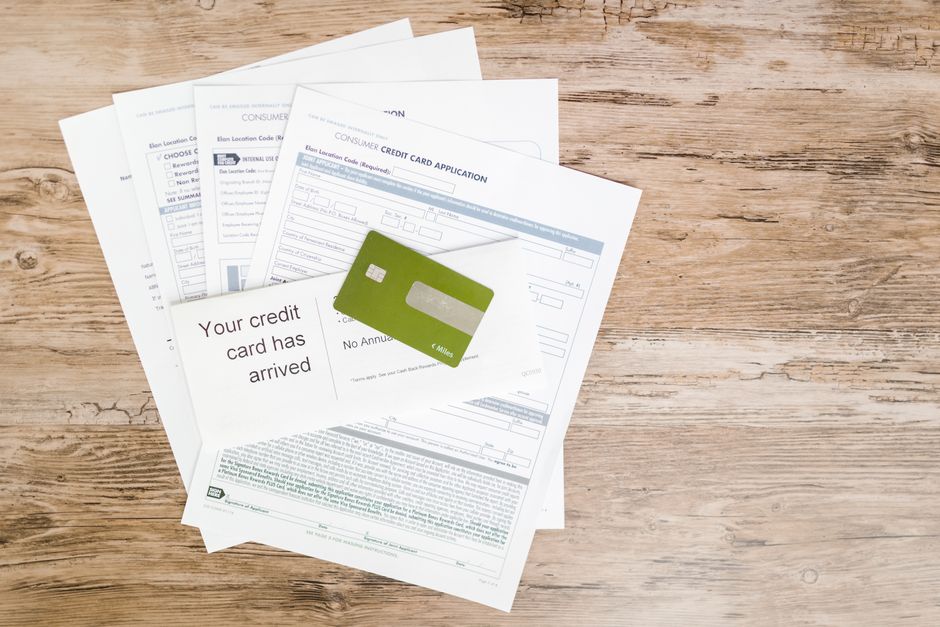
Hard Inquiry Versus Soft Inquiry
A hard inquiry occurs when you apply for new credit and a lender pulls your report to make a decision, such as applying for a credit card, auto loan, mortgage, or personal loan. A soft inquiry happens when your report is checked for a background review, a pre-approved offer, or when you look at your own report, and none of these affect your score at all.
Landlords running a rental application, employers conducting a background check with your written consent, and insurance companies pulling a credit-based insurance score all typically rely on a soft inquiry rather than a hard one, which is why applying for an apartment does not usually ding your credit score the way applying for a loan does.
Only hard inquiries factor into scoring, and even among hard inquiries, the effect is modest for most consumers. A single new hard inquiry typically lowers a score by fewer than five points, though the exact effect varies depending on how much other credit activity is already present in the file.
Consumers with a short credit history or very few accounts tend to see a slightly larger dip from a new hard inquiry than consumers with a long, established file, simply because the inquiry represents a larger proportional change to a thin history.
It is also worth noting that a hard inquiry alone rarely determines whether an application is approved or denied. Lenders weigh the inquiry alongside income, existing debt, and the rest of the credit file, meaning a strong applicant with one recent inquiry is still very likely to be approved despite the small, temporary score dip.
The Two-Year Visibility Window
A hard inquiry remains listed on your credit report for two years from the date it occurred, visible to anyone who pulls your full report during that window. This visibility, however, is separate from how long the inquiry actually influences your score.
Most scoring models stop counting a hard inquiry toward the score after twelve months, even though it remains listed on the report for the full two years. This means a lender glancing at your report eighteen months after an inquiry can still see it, but it is no longer part of the number driving the score itself.
Multiple inquiries from a while ago, sitting on the report but past their scoring window, are essentially historical noise. They do not compound with newer inquiries, and a lender reviewing the file typically understands that only recent activity is scoring-relevant.
Rate Shopping Windows Protect Consumers
Scoring models recognize that shopping for the best rate on a mortgage, auto loan, or student loan involves multiple lenders pulling your credit within a short period, and they are built to treat this pattern as a single event rather than penalizing it repeatedly.
FICO models generally group similar inquiries, such as several mortgage pulls, made within a rate-shopping window that commonly spans 14 to 45 days depending on the model version, counting them as one inquiry for scoring purposes. VantageScore uses its own comparable window as well.
This protection generally applies only to inquiry types associated with rate comparison shopping, meaning mortgage, auto, and student loan inquiries. Credit card applications and personal loan applications are typically each counted separately, since consumers do not usually shop those the same way.
What Actually Triggers a Hard Inquiry
New account applications are the most common trigger, but it is worth knowing that requesting a credit limit increase can sometimes prompt a hard inquiry too, depending on the issuer’s internal policy, so it is worth asking before submitting that kind of request if you want to avoid one.
Co-signing a loan for a family member also generates a hard inquiry on the co-signer’s file, since the co-signer is being evaluated as a borrower on that account, a detail that surprises many people who agree to co-sign without expecting any effect on their own credit.
Checking your own credit score or report, through a bank app, a free monitoring service, or directly requesting your file from a bureau, never counts as a hard inquiry and never affects your score, regardless of how often you check.
Some retail financing offers made at checkout, such as instant store card approvals for a discount on a purchase, also trigger a hard inquiry the moment you apply, even though the process feels quick and informal. It is worth pausing before accepting one of these offers to consider whether the discount is worth an inquiry and a new account.
Managing Inquiries When You Need New Credit
Spacing out applications for different types of credit, rather than applying for a credit card, a car loan, and a personal loan all within the same month, keeps the combined inquiry effect smaller and easier for the score to recover from quickly.
When actually rate shopping for a mortgage or auto loan, doing so within a tight window, ideally two weeks, keeps every pull grouped together under the shopping protection rather than risking some inquiries falling outside the window and counting separately.
Since the score effect from a single inquiry is usually small and temporary, the more important consideration before applying for new credit is whether the application is actually needed, since the inquiry itself is rarely the deciding factor in a healthy credit file’s overall trajectory.
Reviewing pre-qualification tools before formally applying is another useful step, since many lenders now offer a soft-pull pre-qualification check that estimates approval odds without generating a hard inquiry at all. Using these tools to narrow down which lender to actually apply with can reduce the total number of hard inquiries needed to find the right offer.