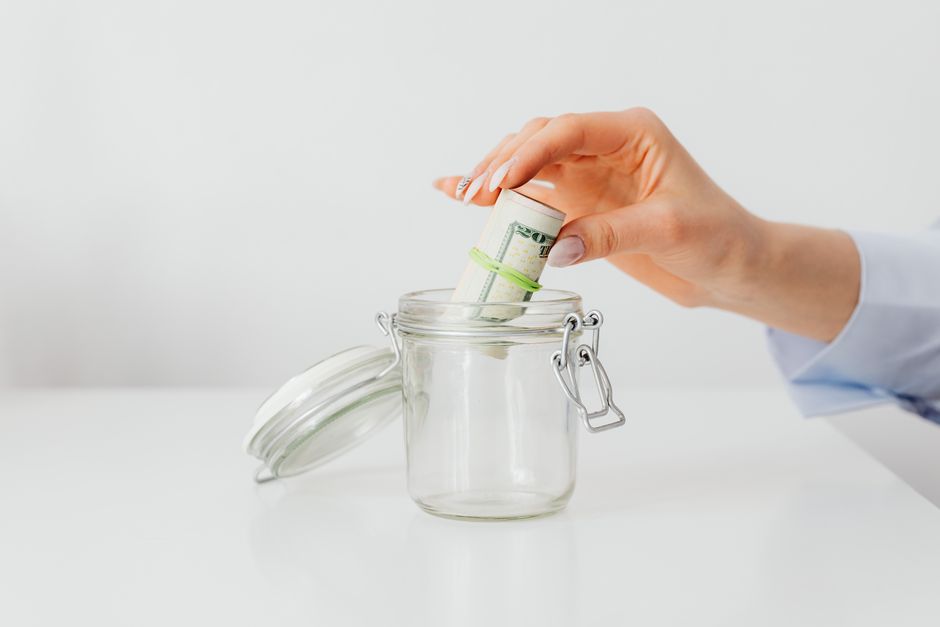

An emergency fund that quietly gets spent on non-emergencies is not really an emergency fund at all. Protecting it takes deliberate structure, not just good intentions.

Define What Actually Counts as an Emergency
The single biggest reason emergency funds get drained on ordinary purchases is a fuzzy definition of what qualifies as an emergency in the first place. Without a clear line, almost any unexpected expense can start to feel urgent enough to justify a withdrawal.
Write down a specific, short list of situations that count, such as job loss, a medical bill, an essential car repair needed to get to work, or an urgent home repair that threatens safety. If an expense does not fit the list, it is not an emergency fund expense.
Planned but irregular costs, like holiday gifts, annual insurance premiums, or a vacation, do not belong on this list. Those are better handled through a separate sinking fund, which keeps the emergency fund reserved purely for genuine surprises.
Revisit this written definition whenever you are tempted to make a withdrawal. If the expense in question does not clearly match one of the listed categories, treat that as a strong signal to find another solution first. Keeping the list somewhere easy to find, like a notes app, makes it easy to check in the moment.
Create Physical and Digital Distance
Where you keep the money has a real effect on how tempting it is to spend. Keeping an emergency fund in the same account you use for daily spending puts it a single tap away from an impulse purchase.
Move the fund to a separate account, ideally at a different bank than your everyday checking, so transferring money back requires a deliberate multi-step process rather than an instant tap within the same app. That extra step is often exactly enough friction to stop an impulsive withdrawal.
Avoid linking a debit card to the emergency fund account, and consider removing the account from your phone’s home screen or most-used app folder so it is genuinely out of sight during ordinary browsing.
Some people find it helpful to name the account something emotionally meaningful, such as job loss fund or medical emergency fund, since a specific label creates a small psychological barrier that a generic savings account does not. That extra second of hesitation before a withdrawal often turns out to be enough.
Build in a Cooling-Off Period
Impulse decisions thrive on speed, so slowing down the withdrawal process is one of the most effective ways to protect the fund. Give yourself a mandatory waiting period, such as twenty-four or forty-eight hours, before transferring money out for anything that is not an obvious, urgent emergency.
During that waiting period, ask whether the expense truly matches your written definition of an emergency, whether it could be covered by a sinking fund instead, or whether it can reasonably wait until the next paycheck. Writing the answer down, rather than just thinking it, adds one more useful layer of accountability.
This cooling-off period is not meant to block genuine emergencies, which are usually urgent enough that the waiting period feels unnecessary anyway. It exists specifically to catch borderline cases where emotion is driving the decision more than actual need.
Over time, this pause becomes a habit rather than a chore, and many people find that a large share of tempting withdrawals simply do not feel necessary anymore once the initial urge passes. The urge to spend fades far more quickly than most people expect.
Replenish Immediately After Genuine Use
When a real emergency does occur and the fund is used as intended, treat replenishing it as an urgent priority rather than an optional next step. An emergency fund that stays depleted for months leaves you exposed to a second unexpected event.
Temporarily redirect any automated contributions that were going toward other goals, such as a vacation fund, back toward rebuilding the emergency fund until it returns to its target level.
- Confirm the withdrawal matched your written emergency definition
- Pause non-essential automated savings temporarily
- Increase the emergency fund transfer until it is rebuilt
- Resume other savings goals once the fund is restored
Treating replenishment as automatic and non-negotiable, the same way the original contributions were, keeps the fund resilient and ready for whatever comes next rather than permanently weakened after its first real test. A fund that bounces back quickly is far more useful than one left thin for months.
Revisit the Rules as Life Changes
Your definition of an emergency, and the safeguards you put in place, should evolve as your life circumstances change. A new dependent, a new job with less stability, or a move to an area with a higher cost of living can all shift what counts as a genuine emergency.
Periodically review your written rules, ideally once a year or after any major life event, and update the list of qualifying situations so it still reflects your actual risks rather than an outdated version of your life.
Talk through the rules with a spouse or partner if you share finances, since misalignment about what counts as an emergency is a common source of both overspending from the fund and unnecessary conflict. A short conversation up front prevents most of that friction later.
A protected emergency fund is not one locked away forever; it is one governed by clear rules, healthy friction, and a habit of rebuilding quickly, so it remains ready the next time a genuine crisis arrives. That readiness is really the entire point of building the fund in the first place.