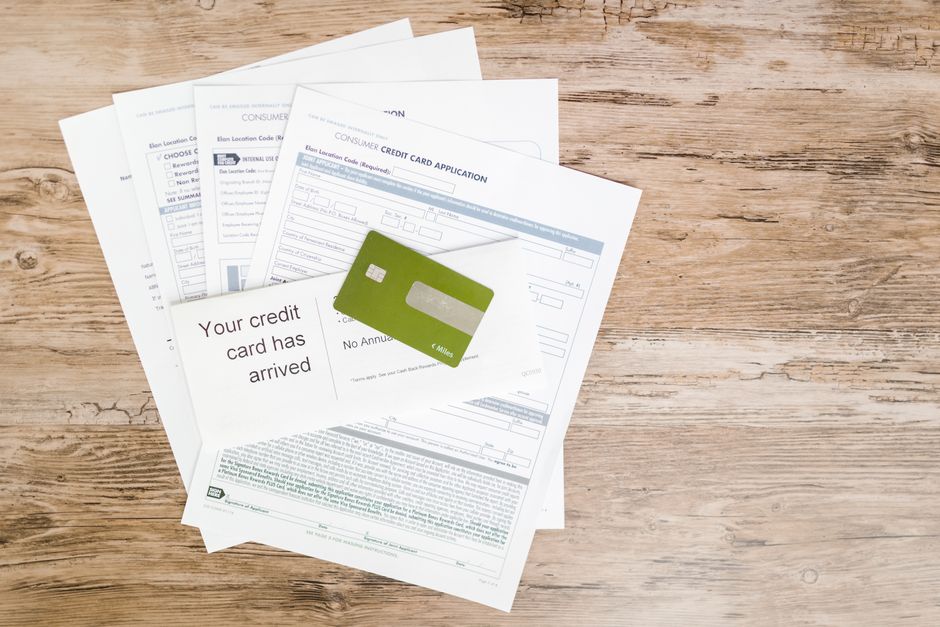

Cutting up an old card feels responsible. For your credit score, it can do the opposite, and the reasons are worth understanding first.

The Two Ways Closing a Card Backfires
Closing a credit card removes its credit limit from your total available revolving credit, which raises your overall utilization ratio if you still carry balances on other cards. The math is straightforward: the same balances divided by a smaller total limit produces a higher percentage, and utilization is one of the most heavily weighted factors in the score.
This effect can catch consumers off guard because it does not require any new spending at all. Simply removing an unused card with a large limit can push overall utilization from a comfortable single-digit percentage into a much higher range overnight, even though nothing about actual spending habits changed.
The second effect involves the age of your accounts. If the card being closed is one of your oldest, closing it eventually removes that account from the average age calculation once it drops off the report, which can shorten your average account age and mildly affect the length of history factor over time.
Both effects tend to be more noticeable for consumers with fewer total accounts, since a single closed card represents a larger share of their overall credit profile. Someone with ten open accounts will barely notice closing one, while someone with two accounts will feel it more.
The timing of when a closure gets reported can also create a temporary surprise, since some issuers report the closure right away while others wait until the next scheduled reporting cycle. This means a consumer might close a card and see no change for several weeks, then notice a dip once the closure actually reaches the credit bureaus.
When Closing a Card Actually Makes Sense
An annual fee on a card that no longer fits your spending habits is a legitimate reason to consider closing it, particularly if the issuer will not downgrade it to a no-fee version and the ongoing cost outweighs any credit-building benefit of keeping it open.
It is worth doing the math directly before deciding, comparing the exact dollar cost of the annual fee against any rewards or benefits still being used, since a fee that once felt worthwhile can quietly become a net loss once spending patterns or travel habits shift over the years.
A card with a history of fraud, repeated unauthorized charges, or a difficult issuer relationship may be worth closing purely for peace of mind, even knowing there could be a small temporary score effect, since financial safety and simplicity matter too.
Consumers actively working to reduce spending temptation sometimes close a card as a behavioral tool, accepting a modest score tradeoff in exchange for removing a source of overspending. This is a personal finance decision that goes beyond the score alone.
A joint account ending in divorce or separation is another common scenario, since keeping a shared card open after a relationship ends can create ongoing financial entanglement and risk if the other party misses a payment. In these cases, closing or refinancing the account into an individual name is often worth a temporary score dip for the sake of financial independence.
Alternatives to Closing an Account
Many issuers offer a downgrade option, sometimes called a product change, that converts a fee-based card into a no-fee version while keeping the original account number and full history intact. This preserves the account age and available limit without the ongoing cost.
Setting up a single small recurring charge, such as a streaming subscription, on a card you rarely use keeps the account active without requiring regular attention, since some issuers will close a card automatically after a long stretch of inactivity, which triggers the same downsides as a voluntary closure.
Reviewing statements from a rarely used card every few months, even without actively spending on it, is a reasonable habit that catches this kind of automatic inactivity closure before it happens, since many issuers send a warning notice with enough lead time to make a small purchase and keep the account active.
Requesting that an unused card be kept open with a reduced credit limit, rather than closed entirely, is sometimes possible with a phone call to the issuer, preserving some of the utilization benefit while addressing any concern about having too much unused credit available.
What Happens to the Account History After Closing
A closed account in good standing, meaning it was paid as agreed with no late payments, continues to appear on your credit report and continues to contribute positively to your average account age for up to ten years after closure.
This is an important distinction many people miss: closing a card does not immediately erase its history or its age contribution. The negative effects of closing, primarily the lost credit limit and its impact on utilization, happen right away, while the positive history contribution fades away gradually over the following years.
This delayed timeline explains why a consumer might close a card, see a modest score drop within the same month from the utilization change, and then notice a second, smaller drop years later once the account finally ages off the report entirely and stops contributing to average account age.
A closed account with a history of late payments, by contrast, continues to count against the score for up to seven years from the date of the original delinquency, following the same negative-mark timeline as an account that remains open.
Timing a Closure Around Major Financial Decisions
Anyone planning to apply for a mortgage, auto loan, or other major financing within the next year should generally avoid closing any credit card during that window, since even a small utilization increase could affect the terms or approval odds on a large loan application.
If closing an account is necessary, doing so several months before a major application, rather than right before or during the process, gives the score time to stabilize and reflects a more settled credit profile by the time an underwriter reviews the file.
Paying down balances on remaining open cards before closing another account helps offset the utilization increase that closure would otherwise cause, keeping the overall ratio in a healthier range even after one card’s limit disappears from the total.
Pulling a fresh copy of your credit report a month or two after any closure confirms the account was reported accurately, showing the correct closed date and a final status of paid as agreed rather than any unintended negative mark, which occasionally happens due to a reporting error during the closure process.