

A home can be fully insured on paper and still leave its owner short by tens of thousands of dollars the day a total loss actually happens.
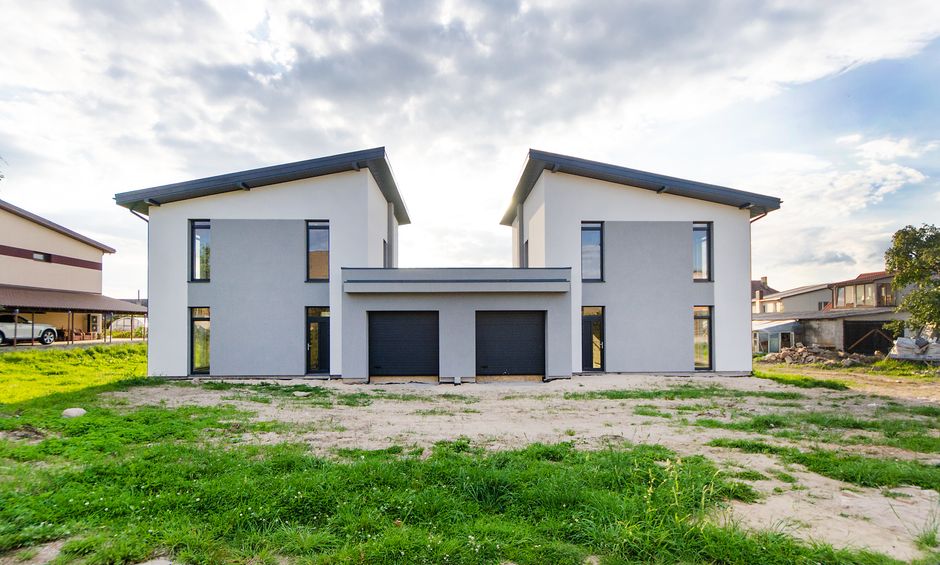
Dwelling Coverage Is Not the Same as Market Value
Homeowners insurance dwelling coverage is meant to pay for rebuilding your home if it is destroyed, but it is based on estimated construction cost, not what your home would sell for on the market. These two numbers can diverge significantly, especially in areas where land values are high but construction costs are moderate, or the reverse.
A home that would sell for 500,000 dollars because of its location might only cost 300,000 dollars to actually rebuild, since land value does not need to be replaced after a fire or storm. Insuring based on the sale price would mean paying for coverage you do not need, while insuring based on an outdated construction estimate could leave you dangerously short.
The correct figure is the cost to rebuild the structure at current local labor and material prices, which is why insurers use replacement cost estimators rather than real estate comparisons to set dwelling coverage limits.
Construction Costs Change Faster Than Most Policies Update
Labor and material costs shift over time, sometimes sharply, due to supply chain disruptions, local labor shortages, or broader inflation in the construction industry. A dwelling coverage limit set accurately five years ago can fall well behind current rebuilding costs without the homeowner ever changing anything about the policy.
Many policies include an automatic inflation adjustment that increases the dwelling coverage limit slightly each year, but this built-in adjustment does not always keep pace with real construction cost spikes, particularly during periods of rapid price increases for lumber, roofing materials, or skilled labor.
This gap tends to go unnoticed until a homeowner files a claim after a major loss and discovers that the payout, even at the full policy limit, does not cover the actual cost of rebuilding at today’s prices. At that point, the shortfall has to come out of pocket, often at the worst possible time financially.
Extended and Guaranteed Replacement Cost Options
Some insurers offer extended replacement cost coverage, which pays a percentage above your stated dwelling limit, commonly an extra ten to twenty-five percent, if rebuilding costs exceed your policy limit after a covered loss. This buffer can be the difference between a fully rebuilt home and a partially finished one when construction costs spike after a widespread disaster drives regional demand for contractors and materials.
A smaller number of insurers offer guaranteed replacement cost coverage, which pays whatever it actually costs to rebuild your home to its original specifications, regardless of your stated policy limit. This option typically costs more but removes the guesswork entirely, which can be valuable for older or custom homes where rebuilding costs are harder to estimate accurately in advance.
Both of these options add a meaningful layer of protection against the specific scenario where a regional disaster causes rebuilding costs to spike well above normal estimates, which is exactly when a strict dwelling limit is most likely to fall short.
How to Check if Your Coverage Is Accurate Today
Ask your insurance agent for a fresh replacement cost estimate rather than assuming the number on your current policy is still accurate. These estimators account for square footage, materials, roof type, and finishes, and should be updated whenever you complete a major renovation or addition.
Renovations are one of the most common reasons dwelling coverage becomes outdated. Adding a bedroom, finishing a basement, or upgrading a kitchen increases the cost to rebuild your home, but insurers have no way of knowing about these changes unless you report them, which means the responsibility falls on the homeowner.
Comparing your current dwelling limit against recent local construction cost data, or asking a contractor for a rough per-square-foot rebuilding estimate in your area, gives a useful sanity check between formal insurance reviews.
Review Coverage After Any Major Local Event
Widespread disasters, such as regional wildfires or hurricanes, often drive construction costs up sharply in the affected area as demand for contractors and materials outpaces supply. Homeowners whose dwelling coverage looked adequate before the event may find it insufficient in the months afterward, even without any changes to their own home.
This makes it worth reviewing dwelling coverage not just annually, but also after any major disaster affects your region, even if your own property was untouched. Rebuilding cost spikes tend to affect an entire area rather than just the homes that were directly damaged.
Staying proactive about this review, rather than waiting for a renewal notice or a claim to reveal a gap, is the most reliable way to make sure your dwelling coverage keeps pace with what it would actually cost to rebuild your home today.
It also helps to keep records of any structural upgrades or building code changes that could affect rebuilding costs, since older homes may need to be brought up to current building codes during reconstruction, which typically costs more than simply replacing what was there before. An ordinance or law endorsement can specifically cover the added expense of meeting updated codes, and it is often left out of standard policies unless requested. Homeowners in older houses or in areas where building codes have changed significantly since construction are particularly likely to benefit from adding this coverage, since without it, the gap between the old structure and a code-compliant rebuild falls entirely on the homeowner.
Keeping a simple folder with your latest replacement cost estimate, recent renovation receipts, and photos of major upgrades makes future reviews faster and gives your agent accurate information to work with. This small amount of record keeping pays off considerably the one time you actually need to file a claim.