
Fraud caught in the first few days is usually reversible. Fraud caught a month later often is not. Build a routine that closes that gap.
Why waiting for your statement is not enough
A monthly statement only tells you what already happened, sometimes weeks after a fraudulent charge was made. By the time you notice, a scammer may have already made several additional purchases or moved on to another account entirely.
A statement also bundles an entire month of activity into one long list, making a single small fraudulent charge easy to overlook among dozens of legitimate ones. Reviewing transactions in smaller, more frequent batches makes anything unusual far easier to spot.
Many banks limit how long you have to dispute unauthorized transactions once a statement is issued. Someone who only reviews their statement once a month risks missing that window, especially if the fraudulent activity occurred early in the billing cycle.
Relying solely on your bank to catch fraud automatically is also risky. Automated fraud detection is good but imperfect, and it often flags only unusual dollar amounts or locations rather than smaller charges that mimic your normal spending pattern.
Fraud that goes unnoticed for weeks also becomes harder to explain to a bank later, since dispute forms often ask for a timeline of when you first noticed the activity. A wide gap between the charge date and your report date can slow down or complicate the resolution process.
Setting up real time account alerts
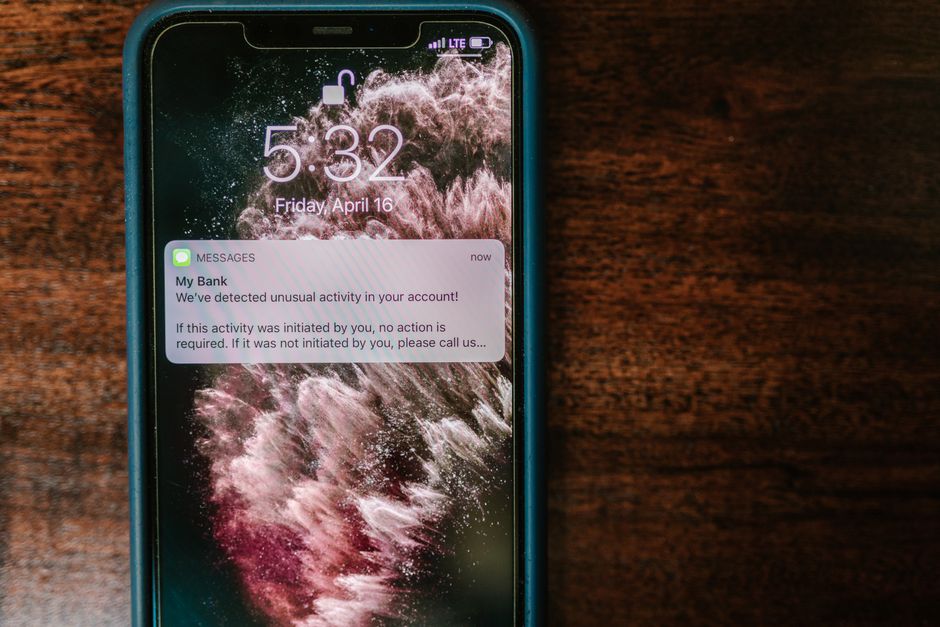
Most banks and card issuers let you set custom alerts for any transaction above a chosen dollar amount, any online purchase, or any transaction made without the physical card present. Set these thresholds low enough to catch small test charges scammers use to verify stolen card numbers.
Enable alerts for login attempts, password changes, and new device sign-ins on your banking app, not just transaction alerts. These account level notifications often catch a takeover attempt before a single fraudulent transaction has even occurred.
Choose push notifications through your bank’s official app rather than email alone, since push notifications typically arrive faster and are less likely to be missed among a crowded inbox.
Once alerts are active, treat every notification as worth a quick glance, even ones for small amounts. Scammers frequently start with a tiny transaction specifically because it seems too small to bother questioning.
Consider setting a recurring reminder, weekly or twice a month, to open your banking app and scroll through recent activity even if no alert has fired. Alerts catch a great deal, but a manual scan occasionally catches something a threshold based rule missed entirely.
Reviewing your credit reports on a rotation
Each of the three major credit bureaus is required to provide a free report on request, and staggering your requests across the year means you can check one bureau every few months rather than all three at once. This spreads out your monitoring across the calendar with no added cost.
- Check the first bureau in one quarter and note anything unfamiliar
- Check the second bureau roughly four months later
- Check the third bureau another four months after that
- Repeat the cycle so each bureau is reviewed at least once a year
When reviewing a report, look specifically for accounts you do not recognize, inquiries from lenders you never contacted, and addresses that are not yours. Any of these can indicate an identity thief has been active even if your existing accounts look untouched.
Keep a simple note of which bureau you checked and when, so the rotation stays on track over the course of a year. A basic calendar reminder works fine and removes the guesswork about which bureau is due for review next.
Using monitoring services without false promises
Paid credit and identity monitoring services can add value by scanning for your information on data broker sites and dark web marketplaces, tasks that are difficult to do manually on any regular basis.
Read the marketing carefully, since some services imply they can prevent fraud entirely when in reality they can only alert you after certain signs appear. Monitoring shortens your reaction time; it does not build a wall that stops fraud from happening in the first place.
Compare what a paid service actually covers against what you already get for free, including bank alerts and free credit reports, before deciding whether the added scanning is worth the monthly cost for your situation.
A reasonable middle ground for many households is to rely on free bank alerts and a staggered credit report schedule for most of the year, then consider a paid service only around higher risk moments, such as after a known data breach affecting a company you use.
What to do when you spot something off
Contact your bank or card issuer immediately using the number on the back of your card, not a number from a text or email, and ask them to flag the account and block further unauthorized use.
Change your online banking password and enable two-factor authentication if it is not already active, since a single unauthorized charge can sometimes indicate broader access to your account rather than an isolated incident.
Document what you found, including dates, amounts, and any account numbers involved, since this record will be useful if you need to file a dispute, a police report, or a fraud complaint with a federal agency later on.
Consider also asking your bank whether it offers zero liability protection on the affected card or account type, since terms can vary between debit and credit products. Understanding this ahead of time helps you know what to expect once your claim is under review.