

Rewards cards are not one size fits all. Picking the wrong style can quietly cost you hundreds of dollars a year in missed value.
Why the Format of Rewards Matters More Than the Rate
Many shoppers compare cards by headline rate alone, assuming a 2 percent cashback card and a 2x points card deliver the same result. In reality, the format of the reward changes how much it is worth to you personally. Cashback is simple: it lands as a statement credit or deposit, and a dollar earned is a dollar you can use anywhere, anytime.
Points and miles work differently. Their value depends entirely on how you redeem them. A point might be worth less than a cent when redeemed for a gift card, or well over two cents when transferred to an airline partner for a premium cabin seat. That spread means points programs reward people who are willing to learn the system, while cashback rewards people who want a straightforward return without homework.
Before choosing a side, ask yourself honestly how much time you want to spend researching transfer partners, award charts, and booking windows. If the answer is little to none, cashback is almost always the better fit, regardless of the advertised earning rate on a points card.
Matching the Card to Your Spending Pattern
Cashback cards tend to shine for people with steady, predictable spending on groceries, gas, and everyday bills. Flat-rate cashback cards, often offering 1.5 to 2 percent on every purchase, reward consistency without requiring you to track rotating bonus categories or remember to activate anything each quarter.
Points cards tend to shine for people who travel with some regularity, even just once or twice a year, and who can consolidate spending onto one or two cards to accumulate a meaningful balance. If your annual travel spending is modest, the effort of optimizing a points strategy may not be worth the marginal gain over a simple cashback card.
Consider also how your spending is distributed. A household that spends heavily in a single category, such as dining or groceries, may benefit from a card offering an elevated rate in that specific category rather than either a flat cashback card or a general travel points card. Matching the bonus category to your actual receipts is more valuable than chasing a card because of its reputation.
The Hidden Cost of Complexity
Points programs can devalue over time. Airlines and hotel chains periodically adjust award charts, and a redemption that once cost 25,000 points can quietly rise to 35,000 points with no advance warning. Cashback does not carry this risk, since a dollar earned today keeps its value regardless of program changes down the road.
There is also an opportunity cost tied to unredeemed points. Balances that sit unused for months or years are not earning you anything, while cashback that lands in your account can be applied immediately toward a balance, a purchase, or savings. If you tend to let rewards accumulate without a redemption plan, the flexibility of cashback protects you from that drift.
On the other hand, well managed points can occasionally produce outsized value, such as booking a flight worth far more in cash than the points required. This upside is real, but it depends on discipline, planning, and a willingness to work around blackout dates and limited availability rather than simply booking whatever flight is convenient.
Annual Fees Change the Math
Some of the strongest points-earning cards carry annual fees in the range of 95 dollars to several hundred dollars, often justified by travel credits, lounge access, or elevated earning rates. These perks can be worth far more than the fee, but only if you actually use them. A travel credit that goes unused is not a benefit, it is simply money left on the table.
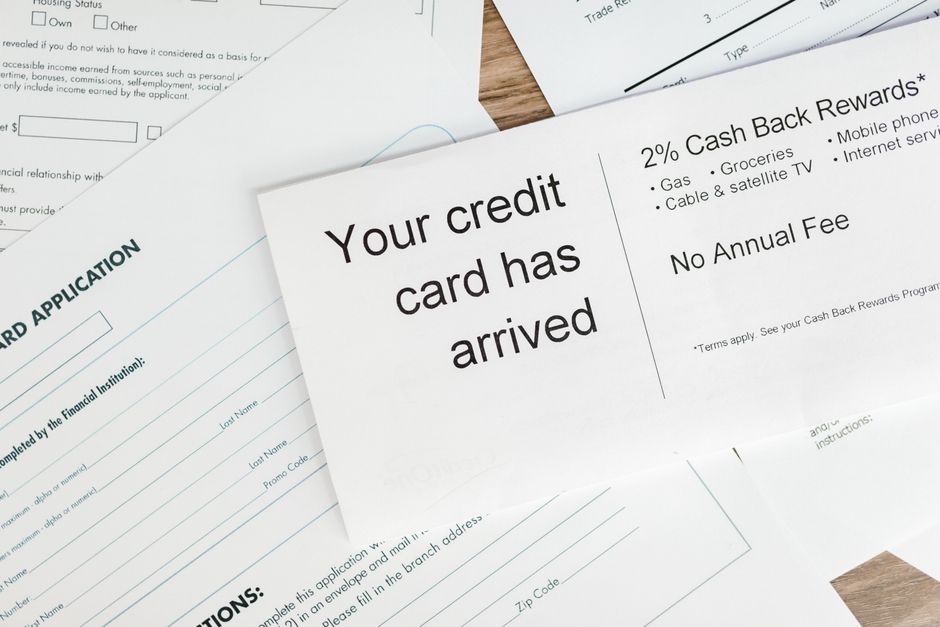
Cashback cards, by contrast, are frequently available with no annual fee at all, which means the entire earning rate is pure upside with no offsetting cost to calculate. For someone who is not confident they will use premium travel perks, a no-fee cashback card often produces a higher net return than a fee-based points card, even if the points card looks more impressive on paper.
A useful exercise is to total your actual annual spending, multiply it by each cards effective rate, and then subtract any annual fee. This simple calculation, done honestly, often reveals that the flashier card is not the more profitable one for your specific spending level.
A Practical Way to Decide
Start by reviewing twelve months of statements to see your top three spending categories and your total annual travel spending, if any. If travel spending is minimal and inconsistent, lean toward a flat-rate cashback card that rewards every purchase equally without conditions.
If travel spending is meaningful and you enjoy researching options, a points card tied to a program with strong redemption value in the routes or hotels you actually use can produce a better return, provided you commit to learning the redemption rules rather than letting points expire unused.
Many financially savvy consumers eventually hold one of each: a simple cashback card for everyday guaranteed value, and a points card reserved specifically for travel spending where the extra effort has a clear payoff. This combination avoids the trap of forcing every purchase into a single rewards philosophy that may not suit every category of spending equally well.
Whichever direction you lean, revisit the decision once a year rather than treating it as permanent. Life circumstances shift, a new job might bring more travel, or a move might change your grocery and gas spending patterns, and a rewards strategy that fit perfectly two years ago may no longer be the best match for how you actually spend money today.